
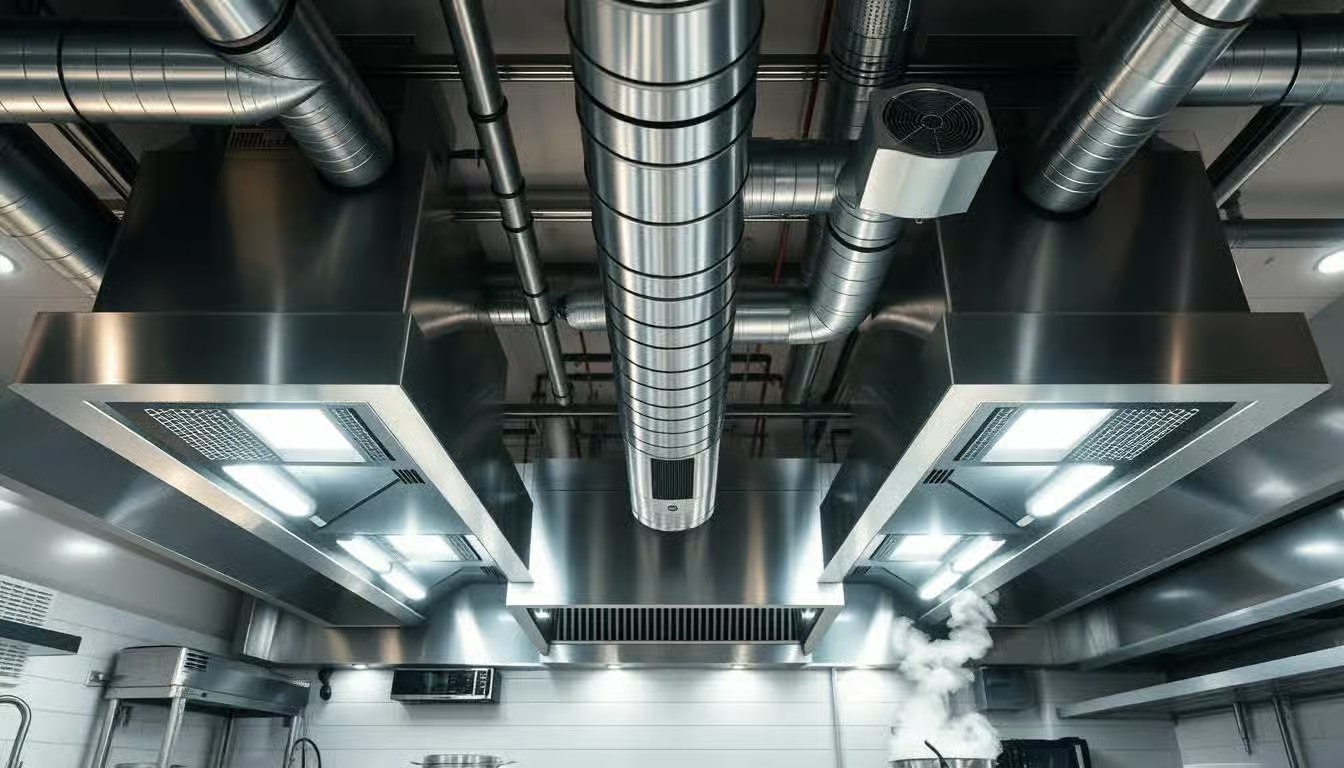

Improving Airflow Efficiency with Smart Ventilation Solutions for Kitchens
In recent years, the importance of maintaining proper airflow in kitchens has become increasingly recognized. Efficient ventilation is crucial not only for comfort but also for health and safety reasons. The kitchen, often referred to as the heart of the home, is a hub of activity where cooking fumes, heat, and odors converge. Without adequate ventilation, these elements can create an unpleasant environment and potentially hazardous conditions. Smart ventilation solutions offer innovative ways to enhance airflow efficiency in kitchens, ensuring a safer and more enjoyable cooking experience.
Traditional kitchen ventilation systems have relied heavily on range hoods and exhaust fans to manage air quality. While effective to some extent, these systems often lack the intelligence needed to adapt to varying cooking activities or environmental conditions. Smart ventilation solutions for kitchens address this gap by incorporating advanced technologies such as sensors, automation, and connectivity.
One significant advantage of smart ventilation systems is their ability to monitor air quality in real-time. Equipped with sensors that detect smoke, humidity levels, temperature changes, and even volatile organic compounds (VOCs), these systems can automatically adjust their operation based on current needs. For instance, if you’re searing meat at high temperatures or boiling water vigorously on multiple burners simultaneously—activities that generate substantial heat—a smart system can increase fan speed or open additional vents accordingly.
Moreover, integrating smart technology into kitchen ventilation allows for seamless control through mobile apps or voice-activated assistants like Amazon Alexa or Google Assistant. This convenience means you can adjust settings without interrupting your culinary tasks; whether it’s turning up the fan speed while your hands are covered in dough or scheduling pre-set routines during peak usage times.
Energy efficiency is another critical aspect where smart ventilation shines brightly compared with traditional methods which may run continuously regardless of necessity—wasting energy unnecessarily over time due partly because they operate manually rather than intelligently adjusting themselves according demand fluctuations throughout day/night cycles etcetera! By optimizing when/how long each component operates within system architecture itself (e.g., shutting off completely once desired level cleanliness achieved), homeowners benefit from reduced utility bills alongside improved sustainability efforts overall since less electricity consumed overall thanks smarter management practices employed here too!
Furthermore new designs focused enhancing aesthetic appeal ensure modern homes retain sleek stylish appearances despite having highly functional tech integrated seamlessly into existing layouts already present today’s market offerings alike – meaning no need sacrifice form function either way whatsoever anymore ever again thankfully enough indeed truly marvelous development field deserves recognition praise across board surely so let us embrace future possibilities together wholeheartedly now shall we?
